When Being Low‑Maintenance Leads to Emotional Exhaustion and Invisible Relationships

When Being “Low‑Maintenance” Makes You Invisible

I was the low‑maintenance child.
The low‑maintenance friend.
The low‑maintenance employee.
The low‑maintenance girlfriend.

I functioned well on my own. Part of that is personality—but part of it was conditioning.

When you do what you’re told, don’t make messes, don’t ask for much, and stay compliant, it stops being appreciated and starts being expected. Over time, something subtle but painful happens: you become invisible.

From Reliable to Replaceable

You’re labeled the reliable one.
The strong one.
The one who doesn’t need much.

And instead of receiving care, protection, or emotional investment, you’re given more responsibility.

More weight.
More expectations.
More emotional labor.

Slowly, you stop being treated like a person and start being treated like a resource.

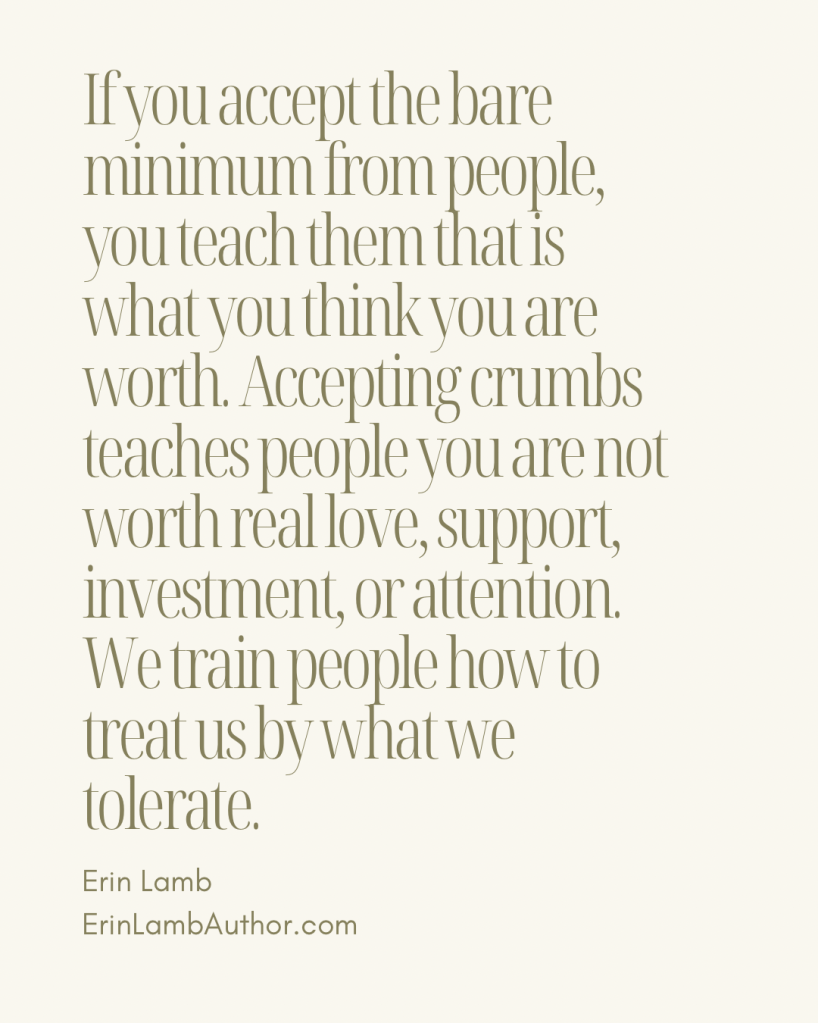
People lean on you. They bring their problems, their crises, their emotions—but they invest little or nothing in return. The relationship becomes one‑sided, and you’re expected to accept crumbs simply because you’ve survived on less.

What I Learned About Boundaries

Here’s what I learned—and it wasn’t easy:

I stopped being a resource for people.

If I can figure it out, they can too.
Just because I require less doesn’t mean I deserve less.

I stopped accepting crumbs.
I stopped entertaining people who only show up when they need something.
I stopped allowing emotional gaslighting.

“I Never See You Anymore”

“You’re never around.”
“I never hear from you.”

But let me ask this:

Did you call just to talk to me—not at me?
Did you put time on my calendar for genuine connection instead of emotional dumping?
Did you show up when I wasn’t in crisis?

No?

Then missing me is not my responsibility.

Choosing Health Over Access

These days, I lovingly redirect people to therapists, 24/7 prayer lines, or their pastors—because I am no longer the unpaid emotional support system for people unwilling to do their own work.

That doesn’t make me unkind.
It makes me honest.

Boundaries didn’t make me cold.
They made me whole.

Erin Lamb

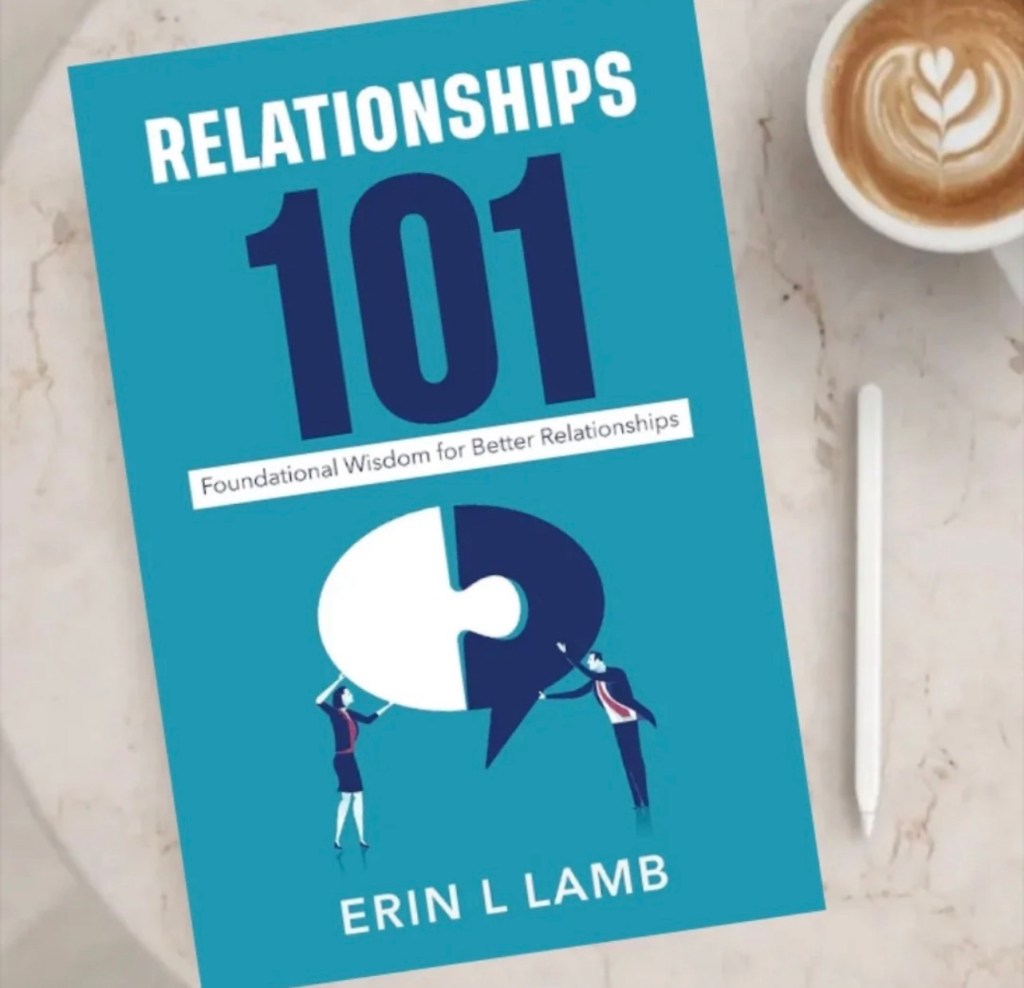
Pick up the latest book Relationships 101: Foundational Wisdom for Better Relationships here: Relationships 101 Book
Special Guest Karen Baney-Best Selling Christian Author

Dear friends, I would love to introduce Karen Baney to you! She is my special guest for today. She has some great insight for authors. I hope you are as blessed as I am by her wisdom, insight, and encouragement, ~Erin.

10-keys-cover-med

10 Keys to eBook Marketing Success, is now available on Amazon.

Sales != Self Worth

Some of you understand the title of this post immediately.  Others, it is taking you a few seconds to fully understand.  Let me help.  In computer programming, we use the “!=” to mean “does not equal”.  So the title really reads “sales does not equal self-worth”.

Oh, do you realize how true this is!

If you’re an author like me (or anyone in a sales position), you may find yourself falling it to the pit of despair whenever you look at your sales.  Only one book sold this week.  Secretly that little voice in the back of your head is convincing you that this means you are not worth anything.

I know.  I understand.  It happens to me.  Even after 200,000 downloads in 2012.  Every time I release a new title, the fear of rejection grips me.  Will anyone like this new book?  Will they understand the message within its digital pages?  Will they—dare I hope—buy it and validate all of the time, effort, and energy I expended?  Can I finally be satisfied that I am worth something?

Dear author, you are already worth something.  You are precious to Jesus just the way you are.  He gave you this wonderful talent to be able to express so much through words on the screen.  He loves you deeply and unconditionally.  Take a moment to let that truth sink in.

The next time you pull up your sales report, or wait for one from your publisher, remember this:  Your worth != the number of books you’ve sold.

The truth is that no matter how much you market and how many things you do right; you can never force a single sale.  Marketing is simply using techniques to get the word out about your book.  It’s up to the reader to buy it.

Another truth:  some great books go unnoticed and some really poor books sell well.  The number of books sold is just that.  It’s a business metric, not a sign of your value or even the quality of your writing.

It’s time to take a new view of your sales figures.  Separate the emotion from the business metric.  Don’t fall into the temptation to gauge your worth or your writing by how many or how few books are purchased.

Sales != your value.

Karen_closeup_left_med-209x300

Best-selling self-published author, Karen Baney, enjoys sharing information to help authors learn about the Business of Writing.  She holds a Masters of Business Administration from Arizona State University and has worked in various business related career fields for the past 20 years.  She writes Christian Historical Fiction and Contemporary Romance novels.  To learn more about her novels visit her website:  karenbaney.com.  Authors can find tips and information on self-publishing and marketing at:  www.myauthorservices.com.

Karen and her husband, Jim, also run several online businesses.  They make their home in Gilbert, AZ, with their two dogs.

Her latest book, 10 Keys to eBook Marketing Success, is now available on Amazon.

 Connect with Karen on Twitter, Facebook, and Google+.

Contemporary: Nickels